

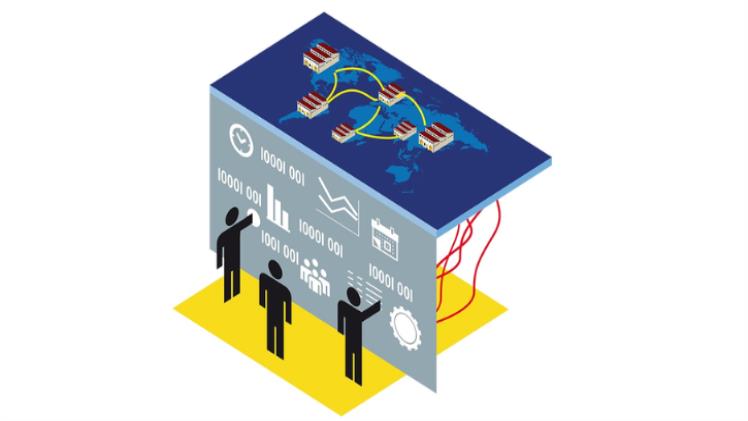
In today’s fast-paced business world, staying ahead of the competition is crucial for survival. One area where companies can gain a significant edge is in supply chain management. By leveraging data analytics, businesses can unlock valuable insights that lead to improved efficiency, cost savings, and ultimately, a competitive advantage in the market.
Understanding Supply Chain Management
Before delving into the role of data analytics, let’s first understand what supply chain management is all about. Essentially, it’s the process of managing the flow of goods and services from the point of origin to the point of consumption. This includes everything from sourcing raw materials to manufacturing, transportation, distribution, and finally, delivering the finished product to the end consumer.
Challenges in Traditional Supply Chain Management
Traditionally, supply chain management has been a complex and challenging endeavor. With numerous stakeholders involved, including suppliers, manufacturers, distributors, retailers, and customers, there are countless variables that can impact the efficiency and effectiveness of the supply chain. Factors such as changing consumer demands, market volatility, and unforeseen disruptions like natural disasters or geopolitical events further complicate matters.
The Role of Data Analytics
This is where data analytics comes into play. By harnessing the power of data, businesses can gain deeper insights into their supply chain operations, identify areas for improvement, and make more informed decisions. From predictive analytics to machine learning algorithms, there are a variety of tools and techniques available to analyze vast amounts of data and extract actionable insights.
Optimizing Inventory Management
One of the key areas where data analytics can drive significant value is in inventory management. By analyzing historical sales data, demand forecasts, and lead times, businesses can optimize their inventory levels to ensure they have the right products in the right quantities at the right time. This not only reduces the risk of stockouts and excess inventory but also helps to free up working capital and improve cash flow.
Enhancing Supplier Relationships
Another important aspect of supply chain management is managing relationships with suppliers. By analyzing supplier performance data, businesses can identify opportunities for cost savings, negotiate better terms, and mitigate risks associated with supplier disruptions. Furthermore, by sharing data with suppliers, businesses can foster greater collaboration and transparency, leading to more efficient and reliable supply chains.
Streamlining Transportation and Logistics
Transportation and logistics are often major cost drivers in the supply chain. By leveraging data analytics, businesses can optimize transportation routes, improve vehicle utilization, and reduce fuel costs. Real-time tracking and monitoring technologies enable businesses to better manage their fleets and respond quickly to changes in demand or unforeseen disruptions, such as traffic congestion or adverse weather conditions.
Predictive Maintenance and Risk Mitigation
In addition to improving operational efficiency, data analytics can also help businesses mitigate risks and prevent costly disruptions. By analyzing equipment performance data, businesses can implement predictive maintenance programs to identify and address potential issues before they lead to downtime or costly repairs. Companies like FintechZoom are at the forefront of utilizing data analytics to revolutionize risk management in supply chain operations. Furthermore, by analyzing historical data and external factors such as weather patterns or geopolitical events, businesses can better anticipate and mitigate risks to their supply chain.
Conclusion
In conclusion, data analytics has the power to revolutionize supply chain management and provide businesses with a competitive advantage in today’s dynamic marketplace. By harnessing the vast amounts of data generated across the supply chain, businesses can gain deeper insights, optimize their operations, and drive better business outcomes. From inventory management to supplier relationships, transportation, and risk mitigation, data analytics offers endless possibilities for improving efficiency, reducing costs, and ultimately, delivering greater value to customers. In an increasingly competitive business environment, the ability to leverage data analytics effectively may be the key to success in supply chain management.
